In today’s competitive business environment, building a strong product brand is crucial for long-term success. Consumers are constantly exposed to a sea of choices, and to stand out, a product must have a clear identity that resonates with its target audience. But how exactly do businesses create a product brand that not only attracts attention but also fosters customer loyalty?
Product branding goes beyond just a logo or a name; it’s about establishing a unique identity that emotionally connects with your customers and aligns with their values. To do this successfully, brands must leverage strategic insights, innovative marketing techniques, and a deep understanding of consumer behaviour. In this blog, we’ll explore actionable strategies for creating a memorable product brand, with real-world examples and practical steps that you can implement today.
1. Understanding the Essence of Product Branding
What is Product Branding?
Product branding involves creating a unique identity for a product in the marketplace. It encompasses everything from the logo and colour scheme to the messaging, design, and overall experience customers have with the product. At its core, product branding communicates the essence of your product, its purpose, and how it differentiates itself from competitors.
A well-crafted product brand doesn’t just sell a product—it tells a story, builds trust, and fosters loyalty. Strong product branding serves as a promise to customers about what they can expect and creates an emotional connection with them.
Example: Apple
Apple’s product branding is a textbook example of excellence. Its minimalist design, consistent messaging of innovation and premium quality, and the seamless integration of its products into a unified ecosystem have made it one of the most iconic product brands in the world.

Every product, from the iPhone to the MacBook, carries the same aesthetic, making it instantly recognisable.
The key takeaway here is that Apple has not only built a product brand but also a lifestyle brand. When people purchase an Apple product, they’re not just buying technology—they’re buying into an experience and a set of values.
2. Defining Your Product’s Unique Value Proposition (UVP)
What is a UVP?
The Unique Value Proposition (UVP) is the reason why a consumer should choose your product over others in the market. It clearly defines what makes your product unique and the benefits it offers that other products don’t. Crafting a strong UVP is foundational to successful product branding.
Why Your UVP Matters
Your UVP helps you communicate to your customers why your product is valuable to them. It’s essential for distinguishing your product from competitors and establishing a memorable, authentic identity in the minds of your consumers.
Example: Tesla
Tesla’s UVP focuses on offering sustainable energy without compromising on performance.

Tesla cars aren’t just electric; they’re also cutting-edge, high-performance vehicles. This UVP appeals to eco-conscious consumers who also care about power and innovation.
Tesla doesn’t just sell electric cars; it sells a vision of a sustainable future combined with superior performance.
How to Craft a Strong UVP
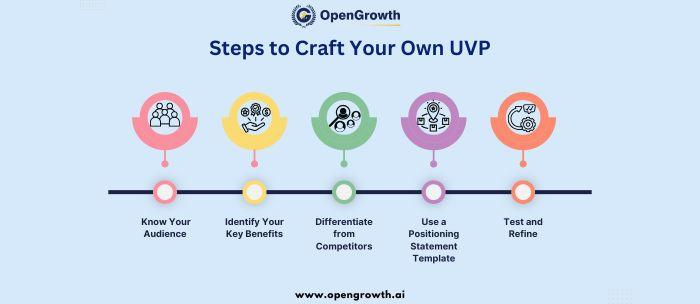
- Know Your Audience: Understand who your target customers are and what their specific needs and pain points are. Know what problems your product solves for them.
- Identify Your Key Benefits: Highlight the core benefits of your product—what value does it bring to your customers? Focus on how these benefits solve their problems or improve their lives.
- Differentiate from Competitors: Determine what makes your product stand out from the competition. Emphasise the unique aspects that set your product apart in the market.
- Use a Positioning Statement Template: Use a simple framework to position your UVP effectively. Ensure it communicates your product’s value, audience, and competitive advantage.
- Test and Refine: Continuously test your UVP with real customers to gather feedback. Refine and adjust based on what resonates most with your audience.
Practical Tip: Create a UVP that aligns with both the functional and emotional needs of your target audience.
Read more:
Top Digital Marketing Agencies in Pakistan
3. Creating a Strong Visual Identity for Your Product
The Importance of Design in Branding
Design is the face of your product brand. It communicates your product’s values, quality, and message before your customers even read the label or hear the name. A strong visual identity helps your brand become instantly recognisable and memorable. From the logo to packaging and website design, consistency is key.
Consistency Across All Platforms
When your product branding is consistent across all touchpoints, it builds trust and familiarity with your customers. Whether it’s the packaging, website, or advertisements, every element of your brand should reinforce the same message.
Example: Coca-Cola
Coca-Cola’s iconic red-and-white colour scheme, dynamic bottle design, and vintage fonts are consistent across every platform—from their website to advertisements and even their physical product.
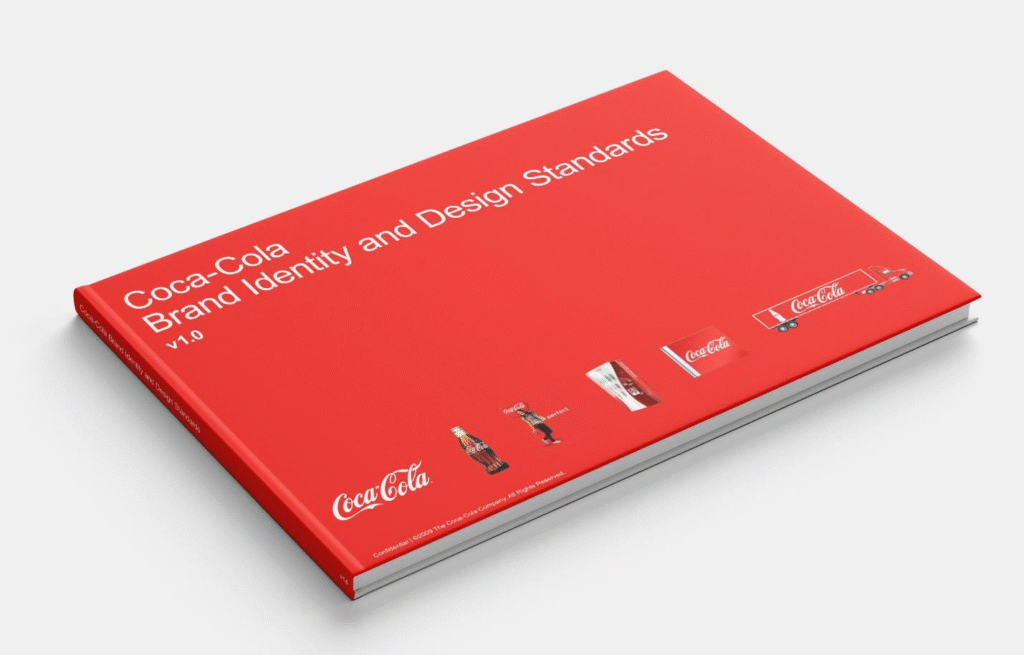
This consistency makes Coca-Cola recognisable anywhere in the world, helping to reinforce the brand’s identity as a symbol of happiness and shared experiences.
Practical Steps to Create a Strong Visual Identity
These steps cover all the essential aspects of creating a strong visual identity for your product branding. By following these guidelines, you can ensure that your visual identity reflects your brand’s values and resonates with your target audience, creating a memorable and consistent brand experience.
- Define Your Brand’s Core Values
Ensure your visual identity reflects your brand’s mission, vision, and values. - Choose a Consistent Colour Palette
Select colours that align with your brand and evoke the right emotional response. - Select the Right Typography
Use fonts that complement your brand’s personality and ensure readability. - Design a Memorable Logo
Create a logo that is versatile, memorable, and reflective of your brand’s personality. - Ensure Visual Consistency Across All Channels
Maintain a uniform visual style across all platforms to build brand recognition. - Create a Style Guide
Develop guidelines for logo, colours, fonts, and imagery to maintain consistency. - Make Your Product Packaging Reflect Your Brand Identity
Design packaging that complements your brand’s values and enhances customer experience. - Use Imagery That Resonates With Your Audience
Select images that reflect your brand’s message and engage your target audience. - Adapt for Digital and Print Formats
Ensure your branding works well across both digital and physical mediums. - Get Feedback and Iterate
Continuously test and refine your visual identity based on audience feedback.
Practical Tip: Consider conducting market research to see how your competitors are designing their products. Your visual identity should stand out while still being appropriate for your market.
4. Building an Emotional Connection with Your Audience
Why Emotional Branding Matters
Emotional branding taps into consumers’ feelings, desires, and aspirations. It’s about creating a brand identity that resonates on an emotional level, leading to stronger loyalty and advocacy. The connection your customers feel toward your brand often determines whether they will make a purchase and return for more.
How to Build Emotional Connections
- Tell a Story: Great product brands have compelling stories that connect with their audience’s personal values. This could be a story about your product’s origins, the challenges you’ve overcome, or how your product makes life better for your customers.
- Appeal to Core Values: Understand what your customers care about. Are they passionate about sustainability, technology, or social justice? Align your product messaging with those values.
- Create Memorable Experiences: A product brand isn’t just about the product—it’s about the experience. Think about the whole journey, from browsing the website to receiving the product in the mail.
Example: Nike
Nike excels at emotional branding.

Their slogan “Just Do It” is more than just a marketing tagline—it’s a call to action that speaks to the personal drive, ambition, and resilience of their customers. Nike’s marketing consistently evokes strong emotions by linking athletic performance with personal empowerment and achievement.
5. Consistency is Key: Branding Across All Touchpoints
Why Brand Consistency Matters
Consistency in product branding is crucial for building trust and recognition. When customers encounter your product brand across different channels, it should feel like the same brand. Whether they interact with your product through social media, customer service, or in-store experiences, your brand message should be consistent.
How to Achieve Consistency
- Develop Brand Guidelines: Establish clear guidelines for your brand’s visual identity, messaging, and tone of voice to ensure consistency across all touchpoints.
- Ensure Alignment: All team members, from marketing to customer service, should understand and communicate the same brand message.
- Consistency in Product Experience: Ensure that your product delivers on the promise communicated by your brand.
Example: Starbucks

Starbucks is a prime example of a brand that has achieved consistency across all touchpoints. From the in-store experience to their mobile app, product offerings, and advertising, everything about Starbucks reflects its values of quality, community, and customer-centricity.
6. Leveraging Customer Feedback for Brand Refinement
The Role of Customer Feedback in Branding
Customer feedback is invaluable for refining your product and brand. Listening to your customers’ opinions and adapting your product branding accordingly can lead to better customer satisfaction and improved brand loyalty.
Read more:
Top 10 Digital Marketing Agencies in Australia
How to Collect and Use Customer Feedback
- Surveys and Polls: Send out regular surveys to your customers to gather insights into their experiences with your product.
- Monitor Social Media: Social media platforms are rich with real-time customer feedback. Monitor comments, reviews, and mentions to understand how your product is being received.
- Create a Feedback Loop: Use the feedback to improve your product and communicate the changes to your customers to show that you value their input.
Example: Amazon
Amazon thrives on customer feedback.

Reviews and ratings help the company refine its offerings and improve customer experiences. They also use this feedback to enhance their product branding, ensuring that the customer’s voice is central to the brand.
7. Real-World Examples of Successful Product Branding
Case Study 1: Apple
Apple has built a powerful product brand by focusing on innovation, simplicity, and premium quality. Their product designs, messaging, and seamless integration of devices create an ecosystem that customers are loyal to.
Case Study 2: Coca-Cola
Coca-Cola’s ability to stay consistent with its emotional messaging of happiness, togetherness, and nostalgia has made it a beloved global brand. Their red-and-white colour scheme and memorable advertisements make the brand instantly recognisable.
Case Study 3: Tesla
Tesla combines innovation with sustainability, offering electric vehicles that don’t compromise on performance. The brand’s focus on high-tech, eco-conscious solutions has resonated deeply with consumers who prioritise environmental responsibility without sacrificing power.
Conclusion – Building a Product Brand that Lasts
In today’s marketplace, building a memorable product brand is not optional—it’s essential. A strong product brand helps you differentiate your product, build customer loyalty, and drive growth. By defining your UVP, creating a strong visual identity, building emotional connections, and staying consistent, you can craft a product brand that resonates with your audience and stands the test of time.
At Digital OORT, we specialise in helping businesses craft compelling product branding strategies that resonate with consumers. If you’re ready to elevate your product branding, contact us today to get started.
The future of your product’s success lies in its brand. Make sure it stands out, connects emotionally with your audience, and remains consistent across all touchpoints.