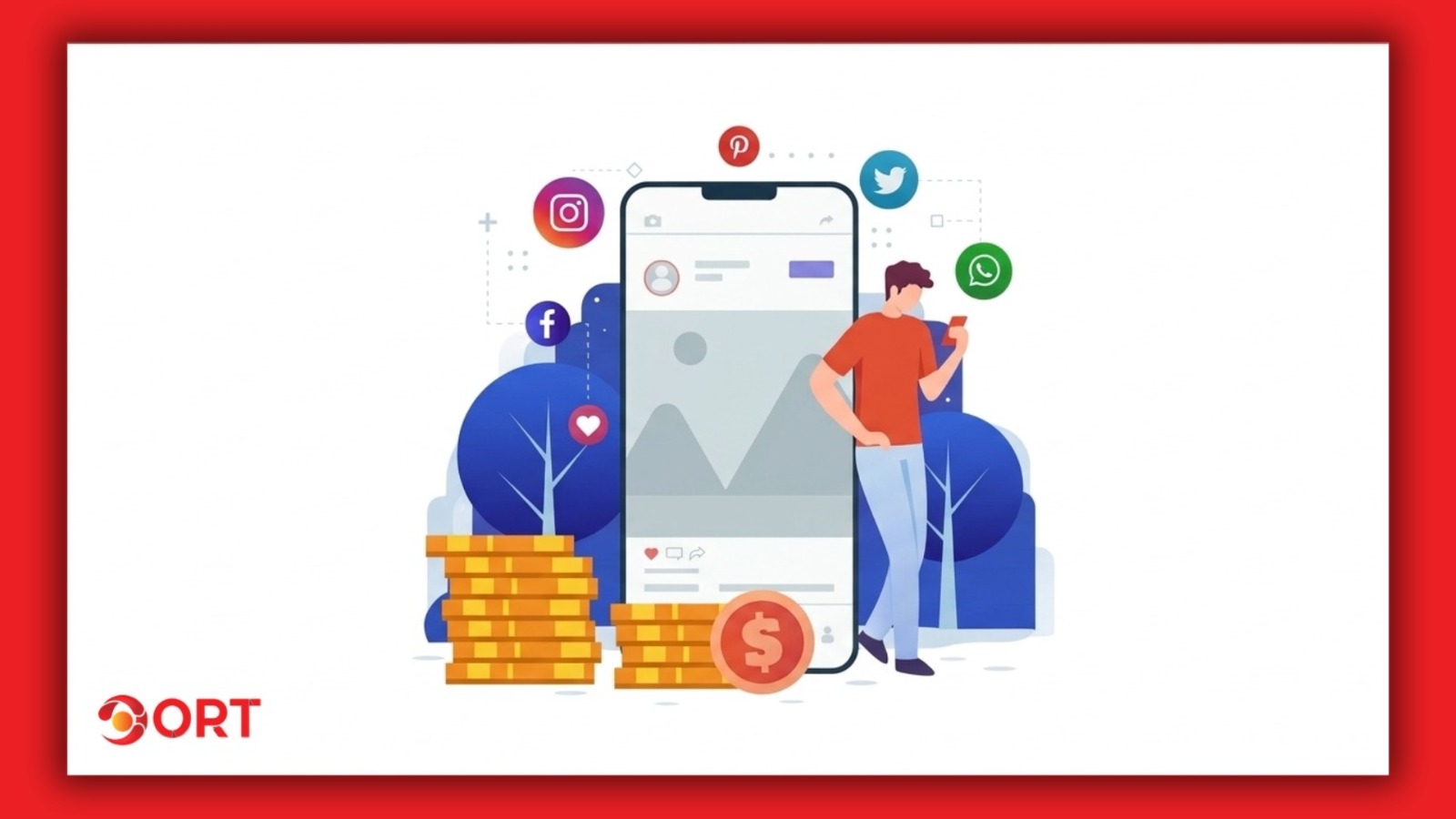
Branding collaterals those essential marketing materials like brochures, business cards, posters, and flyers have long been the backbone of business identity. They convey key messages, highlight offerings, and serve as a visual representation of a brand. However, with the growing reliance on digital technology, the world of branding collaterals is evolving, transitioning from print-first to digital-first strategies. In 2026, businesses must adapt to the new digital-first landscape, focusing on personalised, interactive, and accessible brand assets that cater to modern consumer behaviour.
In this blog, we will explore how branding collaterals have evolved from traditional print materials to dynamic digital-first assets, how businesses must adapt to stay competitive, and the trends that are shaping this transformation.
Understanding Branding Collaterals – Traditional to Modern
Before diving into the digital shift, it’s important to define what branding collaterals are and how they function. Branding collaterals include any marketing materials used to promote and establish a company’s identity. Traditionally, these assets were physical items like brochures, business cards, flyers, posters, and catalogues.
In the pre-digital era, businesses invested heavily in print-based marketing materials. These printed collaterals served as tangible touchpoints that potential customers could interact with, collect, and refer to. Whether distributed at trade shows, mailed to prospects, or handed out at physical locations, these items were the primary medium through which a brand communicated with its audience.
However, as the digital age progressed, consumers increasingly began engaging with brands online. In 2026, with the rise of mobile platforms, social media, and a global, internet-driven marketplace, it’s no surprise that digital branding collaterals are now leading the charge.
The Rise of Digital-First Branding Collaterals in 2026
In today’s marketplace, businesses must prioritise digital collaterals to reach their audiences effectively. With more consumers relying on their smartphones, tablets, and computers to interact with brands, digital-first branding is no longer just an option it’s a necessity.
Why Digital-First is the Future of Branding
Consumer Behaviour Shift
The shift toward a mobile-first world has dramatically impacted consumer behaviour. According to a study by PwC, 81% of customers make purchasing decisions based on digital content, and 73% consider customer experience (CX) as a critical factor in their decisions. As more people interact with brands through digital means whether it’s via social media, websites, or mobile apps businesses must adapt by offering content designed specifically for these platforms.
Real-Time Accessibility
Unlike print materials, which require physical distribution, digital collaterals are instantly accessible. Whether it’s an email campaign, a social media post, or a banner ad, digital content can be accessed globally, 24/7. Brands are now reaching audiences from different regions and time zones, increasing their market presence and visibility.
Cost-Effectiveness
Print materials come with substantial costs: printing, shipping, and inventory management. Digital collaterals, on the other hand, are far more cost-effective. Once created, they can be distributed endlessly via email, social media, or a website with minimal incremental costs. This scalability makes digital branding a preferred choice for companies aiming to maximise marketing budgets.
Benefits of Digital Branding Collaterals
Interactivity and Engagement
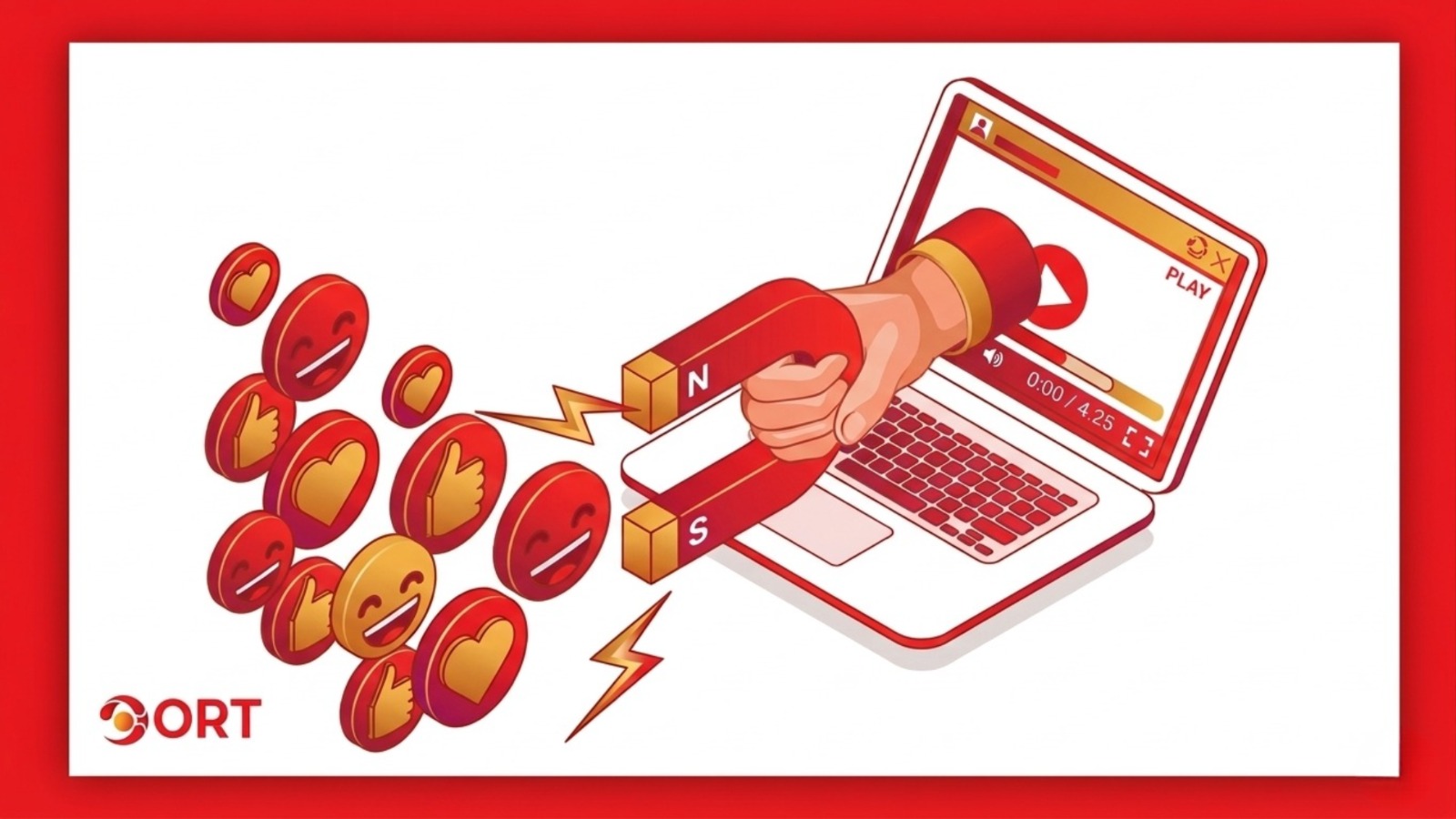
One of the most significant advantages of digital-first branding is the ability to engage with customers interactively. Unlike traditional print brochures, which are static, digital collaterals can feature videos, animations, and clickable links. For example, a brand’s social media post can feature interactive elements like product tags, in-app purchases, and embedded videos, leading to a more immersive experience for the customer.
Tracking and Analytics
Digital collaterals provide brands with real-time data about how consumers interact with their content. By tracking metrics like open rates, click-through rates, and engagement time, brands can assess the effectiveness of their marketing materials and adjust their strategies accordingly. Print materials, on the other hand, cannot provide such data, making it harder to measure ROI.
Global Reach
Digital branding collaterals are easily shareable and can reach a much larger audience. What’s more, the internet is borderless, meaning that digital assets can be seen by anyone, anywhere, regardless of geographic location. Social media, websites, and email allow businesses to distribute materials globally at no extra cost.
Key Trends Shaping Digital Branding Collaterals
As businesses transition to a digital-first strategy, several key trends are shaping the future of branding collaterals:
1. Personalisation and Customisation
In 2026, consumers expect more personalised interactions with brands. This means that digital collaterals should cater to individual customer needs, preferences, and behaviours. Personalised email campaigns, dynamic landing pages, and tailored social media ads are becoming the norm. By leveraging data from CRM tools, AI, and customer interactions, businesses can create customised digital experiences that resonate with their target audience.
For instance, Netflix uses personalised content recommendations based on users’ viewing histories, while Amazon uses similar data to suggest products customers are likely to purchase.
2. Mobile-First Design
With the overwhelming majority of consumers accessing the internet via smartphones, all branding collaterals must be optimised for mobile use. This includes making websites, email newsletters, and social media ads responsive to mobile screens. Mobile-first design ensures that all branding materials provide a user-friendly experience across devices, increasing the likelihood of customer engagement.
3. Video and Motion Graphics
The importance of video in branding has skyrocketed, and by 2026, motion graphics will play an integral role in digital-first branding collaterals. Whether it’s short-form videos for social media ads, explainer videos on websites, or interactive product demos, video is proven to enhance engagement and conversion rates. According to Wyzowl, 87% of businesses use video as a marketing tool, and 80% of users say they can recall a video ad they viewed in the past 30 days.
Brands can use videos to showcase products, tell stories, or convey their core values in ways that static images or text cannot match.
4. Augmented Reality (AR) and Interactive Features
AR technology is pushing the boundaries of branding collaterals. In 2026, businesses will use AR to create immersive, interactive experiences for their customers. For example, a customer could use their phone to scan a QR code on a product brochure to unlock a 360-degree view of a product, access tutorials, or virtually “try on” a product. This technology adds a new layer of engagement, allowing brands to connect with customers in a more memorable way.
5. Sustainability in Digital Collaterals
Digital collaterals align with growing consumer demand for eco-friendly practices. Traditional print materials often involve waste, with paper, ink, and packaging contributing to environmental impact. Digital materials, however, leave no physical footprint. Brands that make sustainability a core value will benefit from the positive image that digital-first materials provide, appealing to eco-conscious consumers.
Adapting Print Collaterals for Digital Platforms
While the transition to digital-first branding is crucial, it doesn’t mean that print materials are obsolete. Businesses can repurpose traditional print assets for digital platforms, making them interactive and shareable.
Converting Brochures to Interactive PDFs
Rather than handing out physical brochures, businesses can convert them into interactive PDFs that include clickable links, videos, and social media integration. This allows customers to access the brochure online, share it with others, or purchase products directly from the document.
Business Cards to Digital Business Cards
Traditional business cards are being replaced by digital business cards that can be shared via email or social media. Apps like HiHello make it easier for professionals to exchange contact details digitally, reducing the need for physical cards.
Social Media Graphics
Flyers, posters, and other printed marketing materials can easily be transformed into engaging social media graphics. For example, a printed poster promoting an event can be converted into an Instagram story or Facebook ad, making it more accessible to a wider audience.
The Future of Digital-First Branding Collaterals
As we look ahead to 2026 and beyond, digital-first branding collaterals will continue to evolve, offering new ways for businesses to engage with customers. Companies will increasingly focus on personalization, mobile optimization, and interactive experiences to meet consumer expectations.
To remain competitive, businesses need to prioritize the creation of high-quality digital content that is adaptable, interactive, and engaging. By embracing video, AR, and personalization, brands can stay ahead of the curve and ensure they remain relevant in an ever-changing digital landscape.
Conclusion
The transition from print to digital-first branding collaterals is no longer just a trend it’s a business imperative in 2026. As consumers continue to engage more with brands through digital platforms, businesses must adapt their marketing strategies to provide personalized, interactive, and mobile-friendly experiences. By embracing the digital-first approach, companies can maximize their reach, improve engagement, and stay competitive in the rapidly evolving market. The future of branding is digital make sure your business is ready.
Start embracing digital-first branding collaterals today, and prepare your business for the future of marketing.