If you’ve ever wondered why some businesses dominate search results while others struggle to get noticed online, you’re not alone. Many marketers and business owners feel overwhelmed by the complexity of SEO.
In this guide, we’ll break down what seo in marketing, why it matters in 2026, and how you can use it to attract high-intent traffic, generate qualified leads, and grow your business online.
By the end, you’ll understand the core concepts, strategies, tools, and trends in SEO marketing, plus actionable tips to get started even if you’re a complete beginner.
What Does SEO Stand For in Marketing?
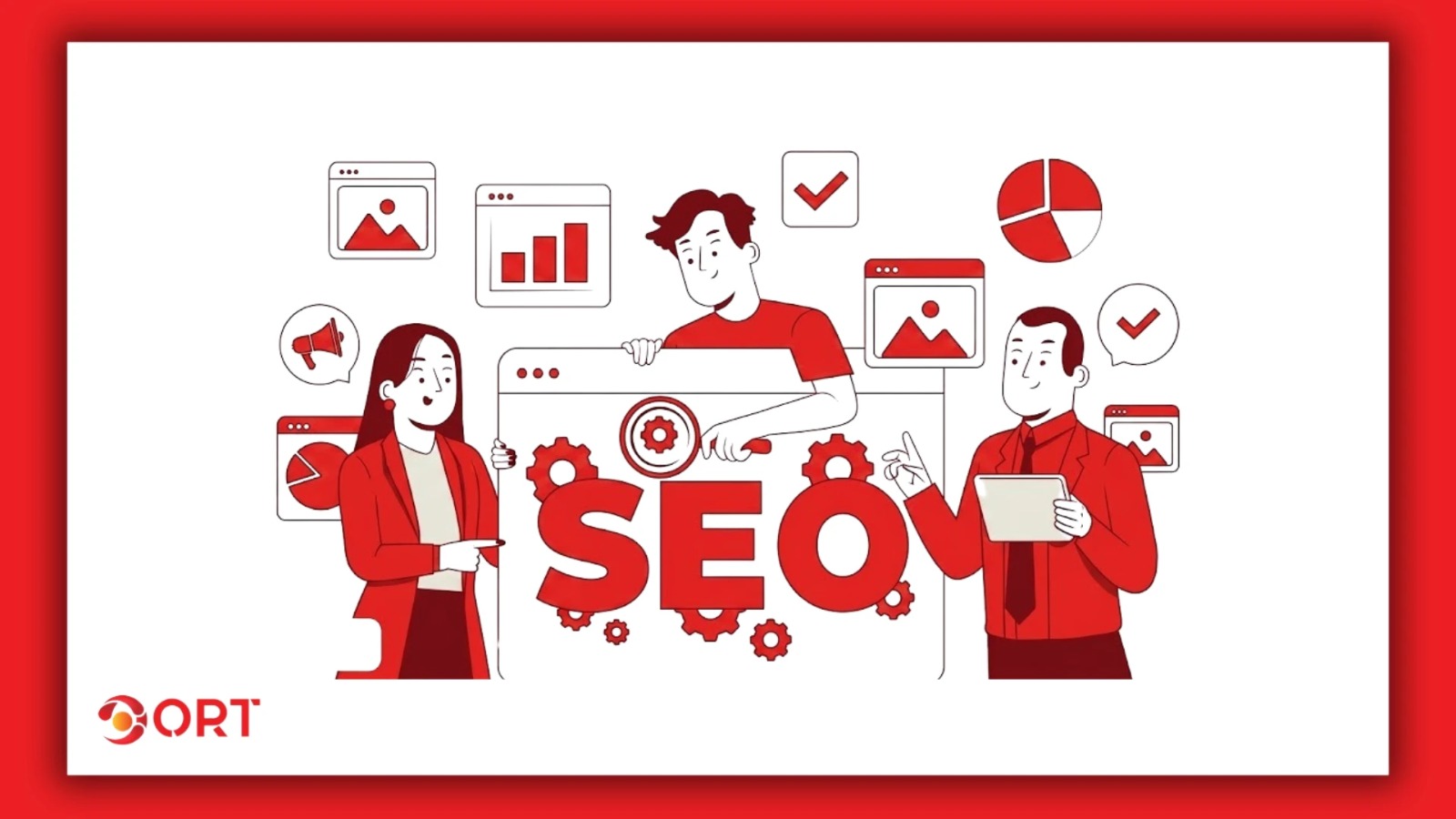
SEO stands for Search Engine Optimization. In marketing, it is the practice of improving your website so it appears prominently in search engine results for relevant queries. Whether people search on Google, Bing, or through voice assistants, SEO ensures your business gets discovered by the right audience at the right time.
In simple terms, SEO marketing online isn’t about tricking search engines; it’s about making your website clear, useful, and easy to find. High-quality SEO helps businesses attract organic traffic, the type of visitors most likely to convert into leads or sales.
Why SEO Matters in Digital Marketing (2026)
SEO remains one of the most effective marketing channels in 2026. Here’s why:
- High-Intent Traffic: Visitors coming from search engines are actively looking for solutions, products, or services, making them more likely to convert.
- Cost-Effective Growth: Unlike paid ads, SEO continues driving traffic even without a continuous ad spend.
- Long-Term ROI: Well-optimized pages can rank for months or years, compounding traffic and lead generation over time.
- Local Visibility: Local SEO helps businesses appear in map packs and nearby searches, which is essential for service-based companies.
Recent statistics show that organic search accounts for over 53% of website traffic on average, and SEO leads can close at around 14.6%, much higher than typical outbound leads at 1.7%.
Main Parts of SEO in Marketing
Effective SEO combines three core areas:
1. Technical SEO
Technical SEO ensures your website is easy for search engines to crawl and index. Key aspects include:
- Fast site speed
- Mobile-friendliness
- Secure connections (HTTPS)
- Clear site structure and navigation
2. On-Page SEO
On-page SEO focuses on optimizing individual web pages with:
- Relevant, high-quality content
- Optimized title tags and meta descriptions
- Proper headings and subheadings
- Internal links and image alt text
3. Off-Page SEO
Off-page SEO builds your website’s authority and trustworthiness via:
- Backlinks from relevant sites
- Brand mentions and citations
- Reviews and directory listings
Together, these components ensure your website is search-engine-friendly, user-friendly, and trustworthy in the eyes of Google.
How Businesses Use SEO Marketing Online
Businesses leverage SEO in marketing to:
- Attract Qualified Leads: Content and keywords are matched to what users actively search for.
- Improve Conversion Rates: SEO traffic is more likely to convert because visitors have intent.
- Strengthen Brand Authority: High-ranking content establishes expertise and trust.
- Support Local Marketing: Local optimization helps service businesses appear in nearby searches and map packs.
Example: A local café in Islamabad can optimize for “best coffee near me” to attract visitors ready to visit, rather than just generating general awareness.
Current SEO Trends in 2026
SEO is evolving rapidly. Marketers need to adapt to these trends:
- AI-Powered Search: Search engines now use AI to summarize content and answer queries directly.
- Voice and Conversational Search: Natural, question-based language is essential.
- Video SEO: Platforms like YouTube are critical for discovery and search visibility.
- Structured Data & E-E-A-T: Clear headings, schema markup, and expertise signals help search engines trust content.
- Personalization: Search results are increasingly tailored to user intent, history, and location.
Common SEO Mistakes to Avoid
- Ignoring Search Intent: Targeting keywords without matching the user’s purpose.
- Publishing Thin Content: Low-value content that doesn’t solve problems.
- Keyword Stuffing: Overusing keywords unnaturally, which can harm rankings.
- Neglecting Technical SEO: Slow or poorly structured websites hurt visibility.
- Overlooking Local SEO: Missing out on nearby search traffic.
- Ignoring AI-driven Search: Not structuring content for snippets, summaries, or voice assistants.
Avoid these mistakes by writing for your audience, focusing on quality, and maintaining a technically sound website.
SEO Tools for Beginners and Professionals
Here’s a 2026 tool stack to simplify SEO:
Keyword Research: Google Keyword Planner, Ahrefs, Semrush
Content Optimization: Surfer SEO, Clearscope, ChatGPT
Technical SEO: Screaming Frog, PageSpeed Insights, Google Search Console
Backlink Analysis: Ahrefs, Pitchbox
Analytics & Reporting: GA4, Semrush, AgencyAnalytics
Pro Tip: Start with free tools like Google Search Console, GA4, and Keyword Planner, then scale with premium tools as your SEO grows.
The ROI of SEO Marketing
SEO is a long-term investment with substantial ROI:
- Median SEO ROI in 2026: ~748%
- Lead conversion rate from SEO: 14.6% vs. 1.7% from outbound marketing
- Organic traffic continues generating leads even months after content is published
Businesses of all sizes, from local services to enterprise companies, benefit from SEO, provided they execute a strategic, intent-focused approach.
How Much Does SEO Cost in 2026?
Costs vary by business size and type of provider:
| Business Size | Freelancer | Agency | In-House |
| Small / Local | $300–$1,500/mo | $1,500–$5,000/mo | Usually not cost-effective |
| Medium | $1,000–$3,000/mo | $2,500–$10,000/mo | $40,000–$100,000+/year |
| Large / Enterprise | $3,000+/mo | $15,000–$50,000+/mo | Team + tools cost the highest |
Freelancers are good for small projects, agencies for growth-focused campaigns, and in-house teams for large-scale enterprise SEO.
Best Practices for SEO in Marketing
- Build topic clusters around core services.
- Optimize for local intent if you’re a service business.
- Use AI-assisted content optimization responsibly.
- Maintain technical SEO hygiene: speed, mobile, and clean structure.
- Focus on content depth rather than just keywords.
- Monitor performance with analytics and refine continuously.
Ready to grow your website traffic and rank higher on Google with Digital OORT? Start optimizing your site today or let our experts handle it for you. Get in touch now and take your digital presence to the next level!